
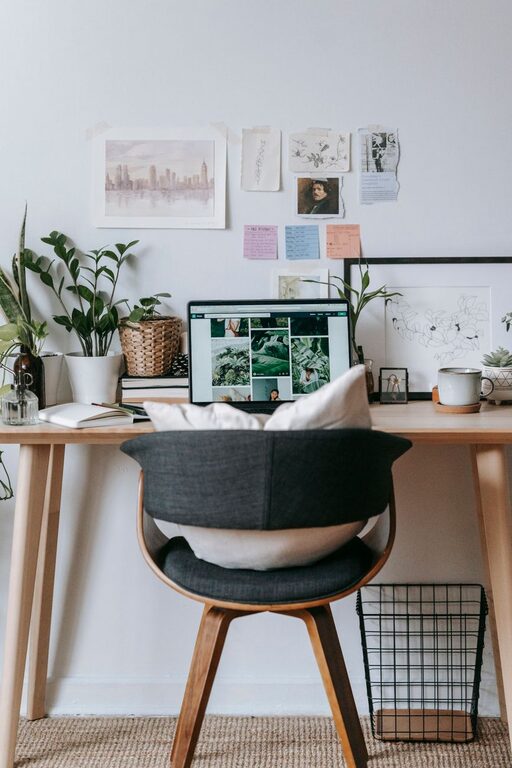
Creating a home office that feels both cozy and functional can significantly enhance your work experience. Whether you work full-time from home or occasionally need a dedicated spot for tasks, a well-designed space can boost productivity, reduce stress, and help you maintain a healthy work-life balance. This guide offers practical tips to help you design a home office that meets your needs while offering comfort and style.
Choose the Right Location
Picking the best spot for your home office is the first step toward creating a space you’ll enjoy using every day.
– Consider natural light: Place your desk near a window if possible. Natural light improves mood and reduces eye strain.
– Minimize distractions: Choose a quiet area where you won’t be easily interrupted.
– Available space: Make sure the area is large enough for your desk, chair, and any storage you might need without feeling cramped.
Invest in Comfortable, Ergonomic Furniture
Comfort is key when you spend hours working. Ergonomic furniture supports your posture and helps prevent discomfort or injury.
– Ergonomic chair: Look for adjustable height, lumbar support, and a comfortable seat cushion.
– Desk options: A sturdy desk with enough surface area is essential. Consider a standing desk or converter for flexibility.
– Monitor height: Position your monitor at eye level to avoid neck strain. Use a stand if necessary.
Organize Effectively with Smart Storage Solutions
Clutter can negatively impact focus and motivation. Organizing your workspace allows you to find what you need quickly and keeps your area inviting.
– Shelving and cabinets: Use wall shelves or cabinets to store books, supplies, and files.
– Drawer organizers: Keep small items like pens, paper clips, and sticky notes tidy.
– Labeling: Clearly label storage areas to make tidying easier.
Personalize with Cozy and Inspiring Decor
Adding elements that make your space feel welcoming can improve your mood and creativity.
– Soft textiles: Incorporate a plush rug, cushions, or a throw blanket.
– Plants: Adding greenery can reduce stress and improve air quality.
– Art and photos: Display artwork or photos that inspire you.
– Lighting: Use a desk lamp with warm light to reduce eye fatigue and create a cozy atmosphere.
Optimize Technology Setup
A smooth and efficient tech setup is vital for productivity.
– Reliable internet: Invest in a good router or Ethernet connection.
– Cable management: Use clips or sleeves to keep cords organized and out of the way.
– Necessary equipment: Include quality headphones, a microphone, or additional monitors as needed.
Maintain Good Air Quality and Temperature
A comfortable environment supports focus and well-being.
– Ventilation: Ensure your office has proper airflow—a window you can open or an air purifier.
– Temperature control: Use a fan, heater, or thermostat to maintain a comfortable temperature throughout the day.
Establish Clear Boundaries and Work Routine
Creating a distinction between work and personal life helps prevent burnout.
– Defined workspace: Keep your work materials in your office to avoid overlapping spaces.
– Set hours: Try to start and end your workday at consistent times.
– Break areas: Designate separate spaces for breaks to mentally disconnect from work tasks.
Keep It Flexible for Your Needs
Your home office should evolve with your requirements.
– Adjustable furniture: Consider furniture that can be easily reconfigured or moved.
– Multi-purpose use: If your office doubles as a guest room or hobby space, use furniture like fold-out desks or storage ottomans.
Regularly Refresh and Declutter Your Space
A tidy and updated office keeps motivation high.
– Weekly clean-up: Dedicate a few minutes to organizing and cleaning your desk each week.
– Seasonal refresh: Update decor or rearrange furniture every few months to keep the space vibrant and interesting.
—
Designing a cozy and functional home office takes thoughtful planning but rewards you with a workspace that nurtures both comfort and productivity. By choosing the right location, prioritizing ergonomic furniture, keeping things organized, and personalized, you create a place where work feels natural and enjoyable. Remember, your home office should support your work style and well-being—don’t hesitate to adjust it as your needs change.
