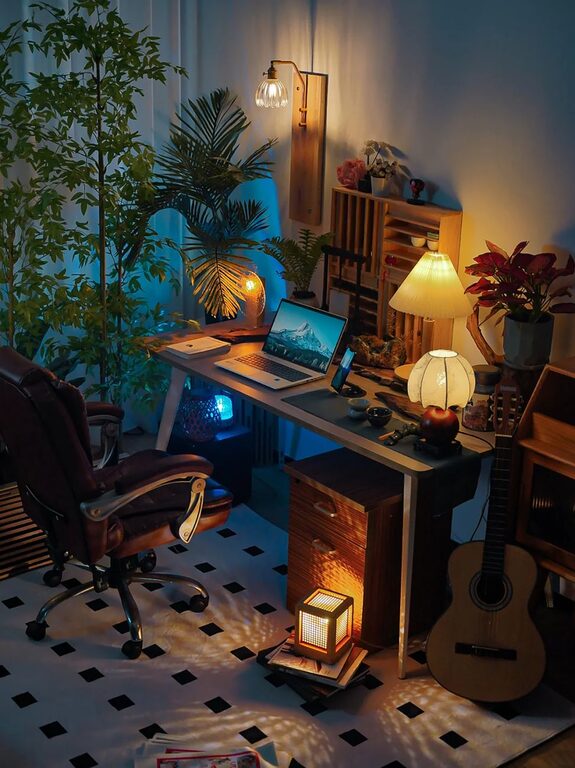

Creating a productive home workspace is essential for anyone who works or studies from home. Whether you’re a remote employee, freelancer, or student, organizing your workspace can help improve focus, reduce stress, and boost overall productivity. In this post, we’ll explore practical tips to arrange and maintain a workspace that works for you.
Why Organizing Your Workspace Matters
A cluttered or poorly arranged workspace can lead to distractions, decreased motivation, and lower work quality. On the other hand, a well-organized environment supports better concentration, a sense of calm, and efficient workflow. When your tools and materials are easy to find and your space feels inviting, it’s easier to stay on task.
Choosing the Right Location
The first step to setting up a productive home workspace is selecting an appropriate location. Consider these factors:
– Quiet and Low Traffic: Choose a spot where noise and interruptions are minimal.
– Natural Light: Position your desk near a window if possible; natural light helps reduce eye strain and improves mood.
– Ventilation: Fresh air can keep you alert, so opt for a well-ventilated area.
– Space: Make sure the area is big enough for your desk, chair, and any equipment you need.
Sometimes, the ideal location might be a dedicated corner of a room or a small nook. The goal is to have a consistent, distraction-free space that signals “work mode.”
Selecting Functional Furniture
Investing in comfortable and ergonomic furniture pays off over time. Key items include:
– Desk: Choose one with enough surface area to hold your computer, notebooks, and other essentials without feeling cramped. Adjustable desks that allow you to alternate between sitting and standing are also popular.
– Chair: A supportive chair with adjustable height and lumbar support helps prevent back and neck pain.
– Storage: Shelves, filing cabinets, or drawers keep your supplies organized and close at hand.
Remember that furniture doesn’t have to be expensive to be functional. Look for solutions that fit your space and budget.
Organizing Your Desk
Your desk is the heart of your workspace. Keeping it tidy can reduce visual distractions and save time.
Declutter Regularly
Remove items that don’t belong or aren’t used frequently. Keep only daily essentials on the desk, like your computer, a notebook, writing tools, and a lamp.
Use Organizers
Desk organizers, trays, or small containers can help group pens, paper clips, sticky notes, and other small items. Use a charging station for cables and devices to avoid a tangled mess.
Cable Management
Cables can quickly create clutter. Use clips, ties, or cable sleeves to keep wires organized and out of your way.
Establishing Effective Storage Solutions
Storage is crucial to maintaining order over time. Consider the following:
– Shelving: Open or closed shelves can hold books, reference materials, or decorative items.
– File Storage: Use labeled folders, binders, or boxes to organize paperwork and documents.
– Drawer Dividers: These help separate supplies within drawers for easy access.
Labeling storage areas makes it easier to find what you need and return items to their place.
Personalizing Your Workspace
Adding personal touches doesn’t mean clutter—done right, it can boost comfort and motivation.
– Plants: Small plants improve air quality and create a pleasant atmosphere.
– Artwork or Photos: A favorite image or inspiring quote can provide a mental boost.
– Lighting: In addition to natural light, use adjustable desk lamps with warm light to reduce eye strain.
Balance personalization with simplicity to keep the space professional and focused.
Managing Distractions
Home environments can be full of distractions. Here are some ways to minimize them:
– Set Boundaries: If possible, communicate your working hours with family or roommates.
– Turn Off Notifications: Silence non-essential notifications on your devices during work time.
– Use Headphones: Noise-canceling headphones or calming background music can help maintain focus.
Creating a daily routine around your workspace also conditions your mind to switch into productivity mode.
Maintaining Cleanliness and Organization
A productive workspace requires ongoing effort. Make it a habit to:
– Clean your desk at the end of the day.
– Review and file paperwork weekly.
– Replenish supplies before they run out.
Regular maintenance keeps clutter from building up and preserves an efficient environment.
Final Thoughts
Organizing a productive home workspace doesn’t happen overnight, but investing time and effort into your setup can yield long-lasting benefits. By choosing the right location, investing in comfortable furniture, keeping your desk clutter-free, and managing distractions, you create a space where productivity thrives. Remember to personalize your area to make it inviting and to maintain your organization habits for continued success.
With these tips, your home workspace can become a place you look forward to working in every day.

Related Posts